
Same Script, Different Year?
The frequency of silence.

In 2020, we stood at a supposed “turning point.” The world claimed it was listening, and the media industry, in particular, promised a reckoning with its systemic failures. Yet, here we are in 2026, and the echoes of the past feel disturbingly loud.
Many of you will have seen the footage from the BAFTAs this week. While Michael B. Jordan and Delroy Lindo stood on stage—two titans of our industry representing excellence and grace—they were met with a racial slur shouted from the audience.
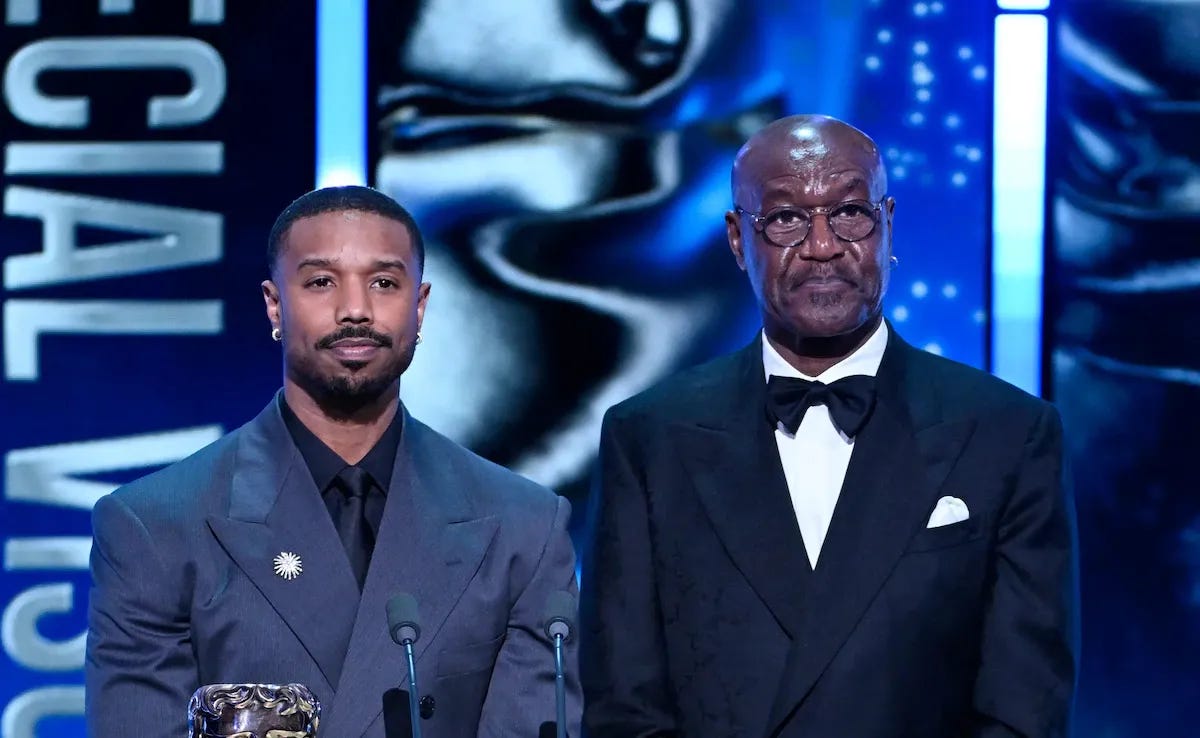
While the source of the slur was attributed to a guest’s medical condition (Tourette syndrome), the failure didn’t just happen in that room. It happened in the edit suite. The BBC, despite having a two-hour broadcast delay, chose to air the slur unbleeped to millions.
For those of us who have been in these newsrooms and galleries for a while, this feels like a grim “déjà vu.” Some of you may remember the 2020 incident:
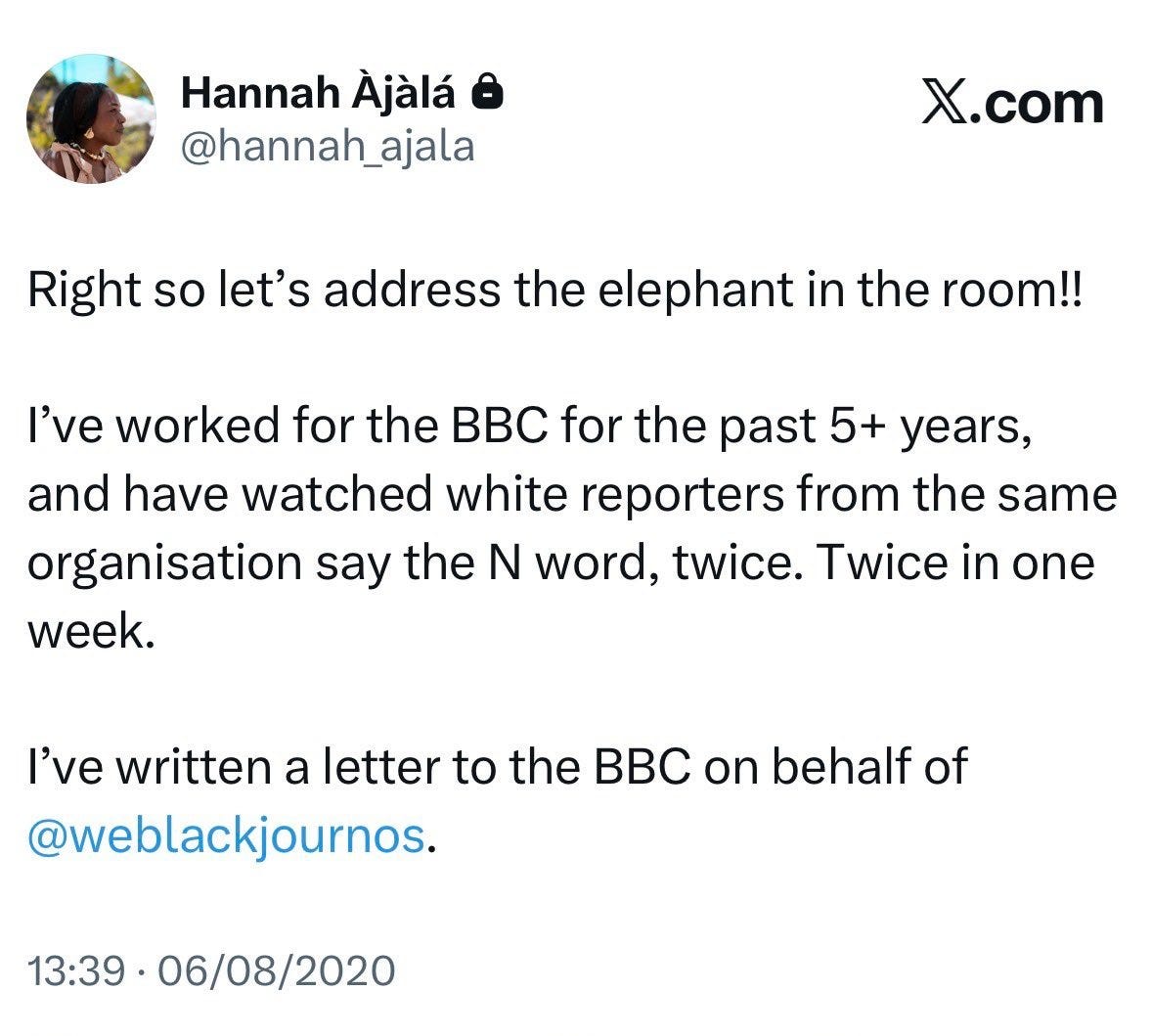
where the BBC delayed to apologise for the use of the N-word in a news report about a racist attack in Bristol. It took 18,000 complaints and the resignation of high-profile Black DJ - Sideman - for the broadcaster to acknowledge the “distress” caused.
The excuse then was “journalistic integrity.” The excuse now is “working from a truck” and “missing the moment.”
When broadcasters claim they “didn’t hear” a slur that was clear enough for the entire country to hear on their sofas, it signals a deeper issue: a lack of sensitivity and a lack of diverse voices in the rooms where final decisions are made. It is exhausting to realise that the safeguards we were promised six years ago are still not being triggered when it matters most.
As Black journalists and media professionals, we are often the ones left to pick up the pieces, to explain the “why,” and to shoulder the trauma of seeing our humanity treated as an editorial “oops.”
But this is exactly why our community is vital. We are not just witnesses to these failures; we are the ones holding the industry to account.
It doesn’t matter if a slur is a “tic” or an “accident.” The impact on the Black community remains the same. We must continue to push for editorial standards that prioritise the safety of Black audiences over “objective” or “raw” broadcasting.
When the institutions fail to protect us, we protect each other. The outcry following the BAFTAs—from our community and allies—forced a “fast-tracked” investigation. That doesn’t happen without collective noise.
Events like these remind us that while we work within these systems, we must also continue to strengthen our own networks. Our voices are the ones that provide the necessary context, the history, and the truth that “mainstream” rooms so often miss.
Things may feel like they aren’t changing fast enough, but our ability to organise, speak out, and demand better is stronger than it has ever been. We are the ones who ensure that “business as usual” is no longer an option.
In solidarity,
We Are Black Journos